The term you may have searched for
Rapid Onset Gender Dysphoria
In 2018, researcher Lisa Littman published a study describing something thousands of
parents thought they were seeing: a teenager, often a girl, announcing a transgender
identity seemingly out of nowhere, often alongside friends doing the same, often after
long hours online. She called it rapid onset gender dysphoria, and for many families
the description fit like a key in a lock.
The study also had real problems. It surveyed parents rather than teens or clinicians,
and it recruited those parents from websites already skeptical of transition. The journal
issued a correction. No major medical body recognizes ROGD as
a diagnosis. One side
now treats the term as settled science. The other treats it as debunked bigotry.
Both reactions skip the most important question: what were those parents actually
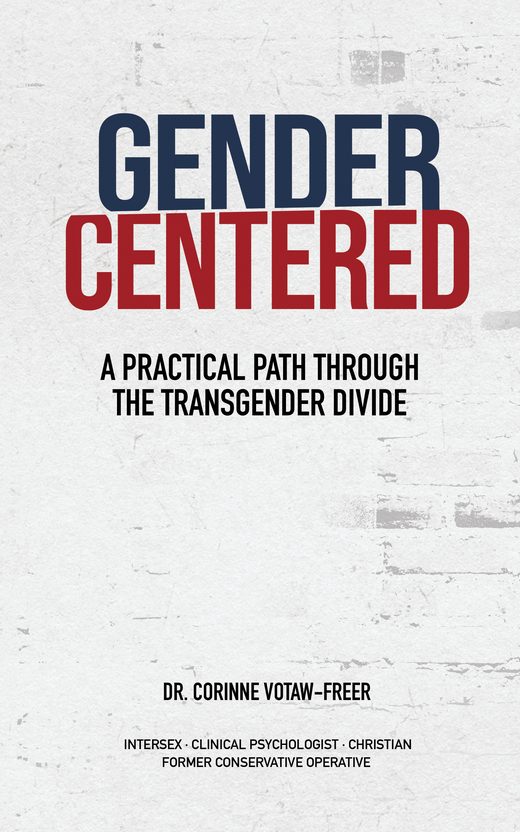
seeing? Gender Centered takes the observation seriously without taking the hypothesis
on faith. What looks like rapid onset from the outside is often years in the making on
the inside, because a teen's private wrestling usually starts long before the
announcement that blindsides the family. Onset and announcement are not the same
thing, and confusing them has consequences in both directions.
The parents are not imagining things. The critics are not inventing
flaws. Neither one has the whole story, and your kid deserves the whole story.
Watch: Dr. Votaw-Freer on ROGD